Native American tribal casinos are leading the way in golf tourism across the United States.
According to Golfweek’s 2026 rankings, tribal-owned courses account for 30 of the nation’s top 50 casino golf courses.
The rankings highlight the growing importance of golf at casino resorts. Many tribal properties offer championship-quality courses, beautiful landscapes, and competitive prices.
Meanwhile, luxury casino destinations such as Shadow Creek in Las Vegas continue to lead the rankings.
However, tribal resorts are proving that memorable golf experiences do not always require expensive green fees.
Golfweek Reveals the Best Casino Golf Courses in 2026
Golfweek recently released its annual ranking of the top 50 casino golf courses in the United States.
The list includes courses owned, operated, or associated with casino resorts.
Golfweek uses ratings from experienced golf course evaluators to determine its rankings. These experts consider course design, conditions, scenery, and the overall playing experience.
Top 5 Casino Golf Courses in 2026
The five highest-ranked courses are:
- Shadow Creek – North Las Vegas, Nevada
- Fallen Oak – Saucier, Mississippi
- Yocha Dehe Golf Club – Brooks, California
- The Greenbrier Old White Course – White Sulphur Springs, West Virginia
- French Lick Resort Pete Dye Course – French Lick, Indiana
Shadow Creek, operated by MGM Resorts, retained the top position.
Fallen Oak, connected to MGM’s Beau Rivage Resort & Casino in Biloxi, Mississippi, secured second place.
Meanwhile, Yocha Dehe Golf Club at Cache Creek Casino Resort ranked third, making it the highest-ranked tribal casino golf course.
These results highlight the strong competition between commercial casino resorts and Native American gaming properties.
Why Tribal Casinos Dominate Golf Course Rankings
Native American tribal resorts have become major destinations for golf enthusiasts.
Many tribal casinos are located outside large cities. Their locations can provide access to more land for golf course development.
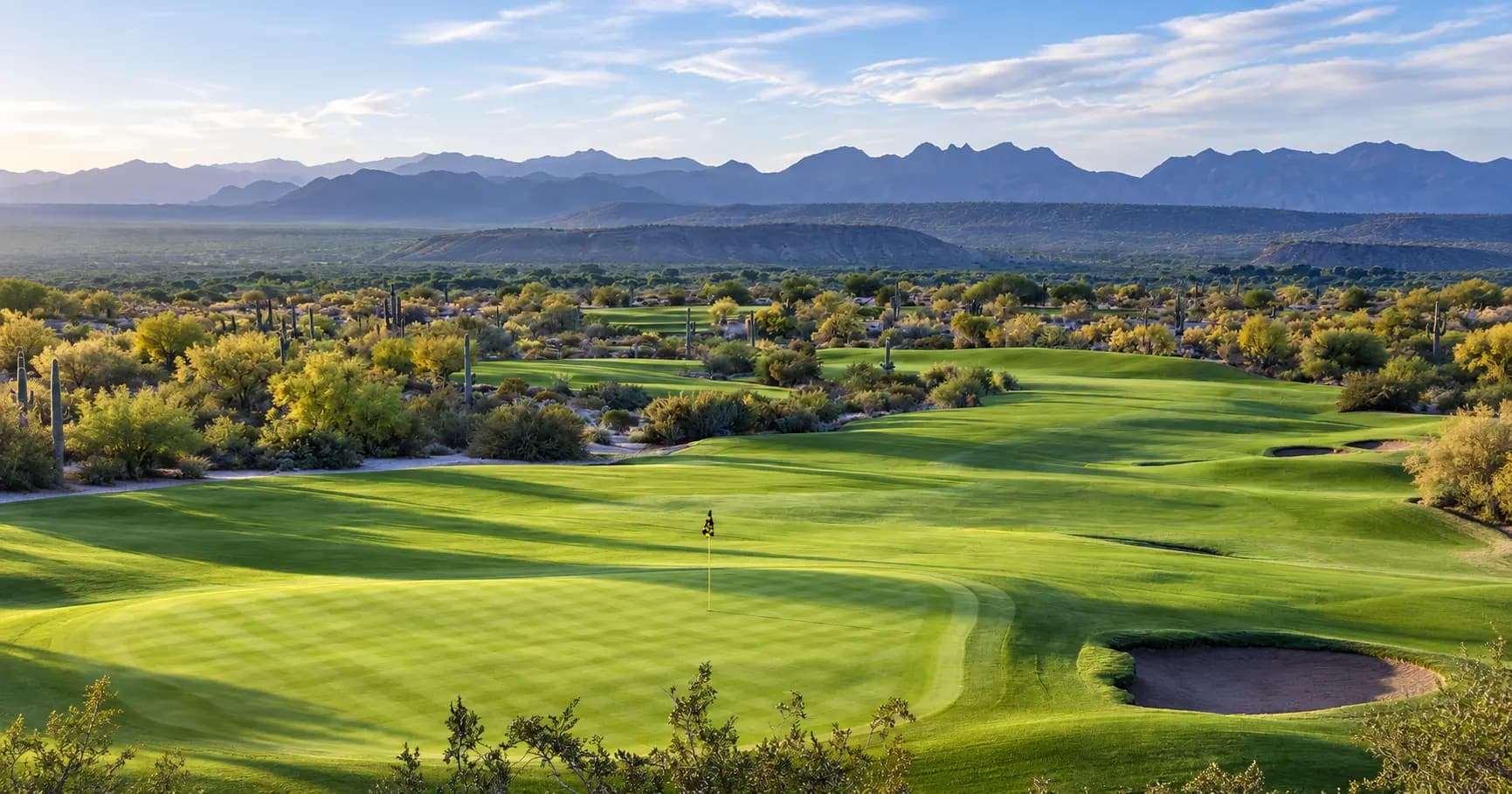
This allows resorts to build spacious courses surrounded by natural scenery.
Golf also gives casino resorts another way to attract visitors.
Instead of visiting only for casino games, guests can enjoy a complete vacation with golf, dining, entertainment, and hotel accommodations.
Yocha Dehe Golf Club Leads Tribal Golf Resorts
Yocha Dehe Golf Club is one of the strongest examples of this strategy.
The course is located at Cache Creek Casino Resort in Brooks, California.
Brooks is a small community in the Capay Valley with fewer than 50 residents.
Despite its remote location, the golf course attracts visitors from across the region.
Its third-place position in Golfweek’s 2026 rankings demonstrates how tribal casino resorts can compete with major luxury golf destinations.
The course combines championship golf with the natural beauty of Northern California.
Tribal Casino Golf Courses Offer Competitive Prices
One major advantage of many tribal casino golf courses is affordability.
Some luxury casino courses charge hundreds or even thousands of dollars for a single round.
For example, Shadow Creek in Las Vegas can cost more than $1,200 per round for eligible guests.
The course is generally available to qualifying MGM Resorts guests, making access more limited.
Fallen Oak also offers an exclusive golf experience.
Guests staying at Beau Rivage typically pay more than $300 for a round.
However, several tribal casino courses provide lower-priced alternatives.
Affordable Tribal Golf Destinations
Yocha Dehe Golf Club, California
A round at Yocha Dehe typically costs less than $150. Some weekday rates are available for under $100.
We-Ko-Pa Saguaro Course, Arizona
Ranked sixth in 2026, We-Ko-Pa’s Saguaro Course offers tee times that can cost less than $150.
The Wilderness at Fortune Bay, Minnesota
The Wilderness at Fortune Bay tied for seventh place in the rankings.
During the summer season, green fees have been listed at approximately $125, with replay rounds available for around $100.
These examples show how tribal golf resorts can offer high-quality courses at lower prices than certain luxury casino properties.
However, actual rates depend on the season, availability, and booking conditions.
Luxury Casino Golf Courses Remain Expensive
Although tribal casinos dominate the overall top 50, commercial properties continue to hold several leading positions.
These destinations often focus on luxury experiences, exclusive access, and premium services.
For example, the Greenbrier’s Old White Course in West Virginia has offered rounds ranging from approximately $200 to $665.
Wynn Golf Club in Las Vegas is another expensive destination.
Peak-season rounds can cost between $750 and $800. Off-season and weekday rates may fall closer to $500.
Meanwhile, Bali Hai Golf Club on the Las Vegas Strip, tied for 48th in the 2026 rankings, has advertised rounds around $349.
These prices highlight the difference between luxury casino golf and some more affordable tribal resort options.
For golfers who want championship-level courses without extremely high fees, tribal destinations may provide appealing alternatives.
Tribal Casino Revenue Reaches a Record $46.2 Billion
The success of tribal casino golf courses comes during a period of strong growth for Native American gaming.
In July 2026, the National Indian Gaming Commission (NIGC) announced that tribal casinos had generated record gross gaming revenue during fiscal year 2025.
According to the official NIGC report, the industry recorded $46.2 billion in gross gaming revenue.
That represents a 5.3% increase compared with the previous fiscal year.
The report covered 545 gaming establishments operated by 246 tribes across 29 states.
Golf Supports Casino Resort Tourism
Golf courses are one part of the wider tribal casino resort industry.
Many properties also invest in hotels, restaurants, entertainment venues, and recreational activities.
These attractions help resorts appeal to visitors who may be interested in experiences beyond gambling.
Golf courses can be particularly useful for attracting group outings, tournaments, and vacation travelers.
They also create opportunities for resorts to develop broader tourism businesses.
However, the NIGC’s $46.2 billion figure measures gambling revenue. It does not include golf course revenue or other non-gaming income.
What Does the Future Hold for Casino Golf Courses?
Golfweek’s 2026 rankings demonstrate the growing presence of Native American tribal resorts in the US golf industry.
With 30 of the top 50 casino golf courses associated with tribal properties, these destinations have established a strong position in championship golf.
Commercial resorts such as Shadow Creek and Fallen Oak remain leading luxury destinations.
However, tribal courses such as Yocha Dehe, We-Ko-Pa Saguaro, and The Wilderness at Fortune Bay offer competitive alternatives.
Their combination of course quality, natural settings, and varied pricing helps attract different types of golfers.
As casino resorts continue investing in tourism and entertainment, golf is likely to remain an important part of their offerings.
For golfers exploring the best casino golf courses in 2026, the rankings provide a useful starting point for comparing destinations, prices, and playing experiences.